
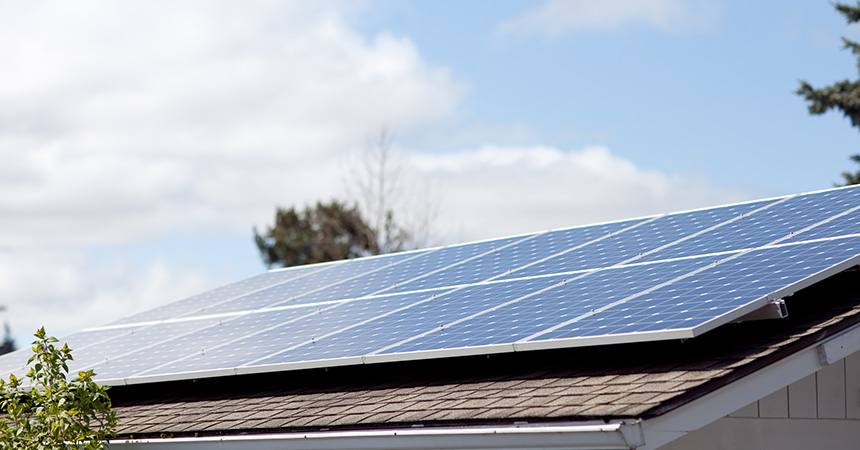
As drought conditions increase wildfire risk across Oregon, more homeowners and businesses are looking at pairing solar panels with battery storage as a way to keep essential appliances and devices running during power outages.
When temperatures soar and winds pick up, utilities may need to implement a Public Safety Power Shutoff—or PSPS—temporarily turning off the power in high-risk areas to help prevent electrical equipment from sparking wildfires. Solar + storage can provide reliable backup power and extra peace of mind during outages.
Why energy resilience matters during wildfire season
One of the biggest benefits of solar + storage is greater energy resilience. If you are not under an evacuation order, you can often remain safely at home during a PSPS instead of scrambling to find another place to stay. That means less disruption for your family, fewer worries about spoiled food and more flexibility if you have pets or livestock to care for.
For business owners, solar + storage can help minimize work disruptions and the financial impacts of a power shutoff.
Solar + storage provides backup power for essentials such as keeping your lights on, refrigerator running and phone charged. Or you might want to ensure you have power for medical devices such as CPAP machines or oxygen concentrators. Homes that rely on well pumps can also use battery storage to keep water flowing.
Businesses with solar + storage can stay open during an outage, keep some basic equipment running and even serve as a community hub, or they can scale up battery storage to remain fully operational.
Energy Trust of Oregon trade ally contractors have noted an increasing demand for solar + storage.
“Over the past year, we’ve seen a growing number of homeowners asking about solar and battery storage specifically because of wildfire concerns and the possibility of utility shutoffs. For many rural homeowners in Central and Eastern Oregon, maintaining access to water, communications, refrigeration and other critical systems when the grid is unavailable is a top priority,” said Clint Libby of National Solar, an Energy Trust trade ally. “Resiliency has become one of the primary drivers of battery adoption for our customers and has also played a role in solar adoption. For most homeowners, a minimum of 20 kilowatt-hours of battery storage is recommended so that during utility shutoff or outage events the homeowner can have more flexibility on what they can keep running during a backup situation.”
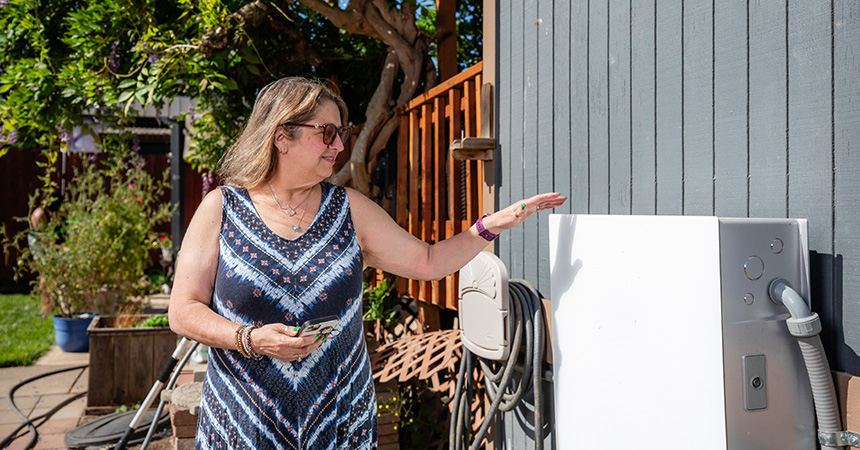
Battery storage for essential backup power can be installed outside or in your garage.
How solar + storage works
When the grid is operating normally, your solar panels generate clean power and your battery stores energy for later use. If a power outage occurs, the battery can automatically provide backup power to selected circuits in your home or business.
Unlike gas or propane generators, which can run out of fuel during an outage, solar + storage recharges itself every day to provide clean, dependable backup power. That resilience is important because it may take some time for the power to return during PSPS events as utility crews carefully check equipment or if a wildfire damages power lines.
Solar + storage proves its worth not just during wildfire season but also in winter months when severe weather can bring down power lines. Plus, solar panels work year-round to generate clean energy and deliver lower energy bills. You may also benefit by enrolling in a utility battery reward program.
Cash incentives save on upfront costs
Portland General Electric and Pacific Power customers are eligible for Energy Trust of Oregon cash incentives that reduce the cost of installing solar + storage or battery storage added to existing solar. Some homeowners may qualify for increased incentive amounts based on household income.
Get started with a free analysis and bid
Oregon encourages all residents to “Be 2 Weeks Ready” for emergencies and extended outages. Solar + storage can be an important part of your preparedness plan, providing reliable backup power, greater energy independence and peace of mind throughout the year.
To get started, request a custom bid through Energy Trust. You will be paired with several Energy Trust solar trade ally contractors who work in your area. Trade allies can provide a free analysis, recommend a battery setup that meets your needs, and connect you with Energy Trust cash incentives and financing options. (Be sure to check our helpful tips for choosing a solar contractor and comparing quotes, and read about solar scams.)