
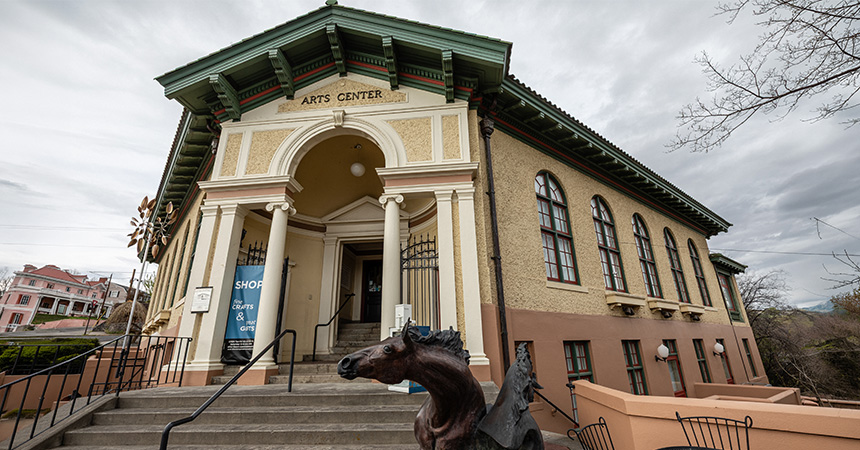
Historic buildings hold a special place in Oregon communities. They connect people to local history and often continue to serve important day-to-day functions as museums, offices, event venues, visitor centers, community spaces and more. But while their character is part of what makes them valuable, it can also make them more challenging to operate efficiently.
Many older buildings were constructed long before modern mechanical systems became standard. Their ventilation patterns, insulation levels and building materials can respond differently to temperature and moisture than those in newer buildings. For building owners and facility managers, that can make it difficult to maintain comfortable indoor conditions without using more energy than necessary.
In some historic buildings, HVAC systems do more than support comfort. They may also help protect woodwork, archives, artifacts or other sensitive materials. Too much moisture can contribute to condensation, mold risk or material deterioration, while too little humidity can affect features such as wood and plaster. Keeping indoor conditions consistent can be important, but it can also cause equipment to run frequently, driving up utility costs.
These issues often become more complex when a historic building is used in a new way. A former school may now host offices or community events. A historic lodge, theater or civic building may see large swings in occupancy throughout the day. As building uses change, energy systems may need to work harder to meet today’s expectations.
Energy efficiency can align with your preservation goals when improvements are planned around the building’s existing systems and requirements. A good place to start is by understanding how the building is operating today. Reviewing equipment schedules, thermostat settings, humidity trends, ventilation needs and recurring maintenance issues can help identify opportunities to reduce unnecessary runtime. In some cases, small adjustments such as equipment tune-ups, updated sensors or control changes can improve performance while still supporting comfort and building protection.
Larger upgrades may also be worth considering. Efficient HVAC equipment, appropriate insulation improvements, smart thermostats or controls, air sealing and custom energy solutions can help reduce energy waste and lower operating costs. With thoughtful planning, these improvements can often be designed to support the building’s historic character while improving everyday operations.
Energy Trust of Oregon offers cash incentives for qualifying energy-efficient equipment and custom improvements that can help reduce project costs for eligible commercial buildings. Common upgrades for historic buildings may include:
- Commercial Smart Thermostats: $200-$400 each
- Steam Traps: $400-$500 per repaired or replaced steam trap
- Roof Insulation: $0.90-$2.85 per sq. ft.
- Wall Insulation: $1.30 per sq. ft.
- Custom HVAC Controls: $0.45 per kWh and $5 per therm saved annually
- Retrocommissioning: Find ways to improve your existing building systems and save energy with a free technical analysis study. Energy Trust also covers up to 90% of associated project costs.
Energy Trust energy advisors can also help eligible businesses and public facilities identify potential energy-saving opportunities, understand available incentives and determine which improvements may be a good fit for their building, at no cost.
To learn more or connect with an energy advisor, visit www.energytrust.org/existingbuildings or email existingbuildings@energytrust.org.